
Introduction
The elevator industry in Europe is changing fast. Safety, durability, and compliance are becoming more important than ever. In 2026, manufacturers, contractors, and maintenance companies will need to follow updated rules related to elevator parts, including the Euro Elevator Bolt. These bolts may look like small components, but they play a major role in elevator safety and performance.
As European regulations continue to focus on passenger protection, fire safety, and structural strength, elevator hardware standards are also evolving. This blog explains the latest expectations, future trends, and important standards connected to the DIN standard elevator bolts in simple and easy language.
What Is a Euro Elevator Bolt?
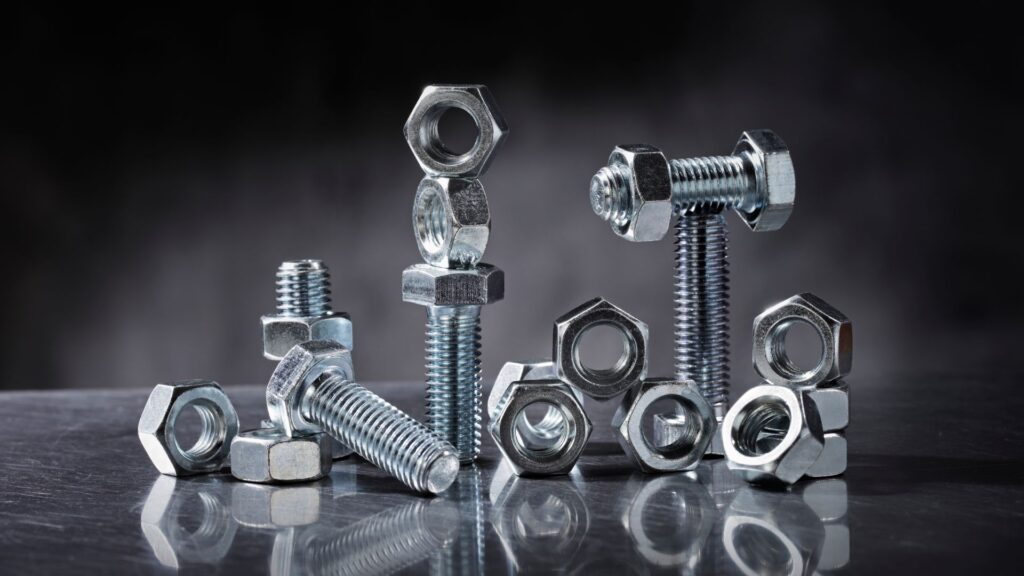
A Euro Elevator Bolt is a specialized fastening component used in elevators and lift systems. These bolts help secure rails, brackets, cabins, machine parts, and structural components inside the elevator system.
They are designed to handle:
- Heavy loads
- Continuous vibration
- High pressure
- Long-term wear and tear
- Safety requirements in commercial buildings
Because elevators operate daily and carry passengers regularly, every bolt must meet strict quality and safety standards.
Why Elevator Bolt Regulations Matter in 2026
Safety regulations in Europe are becoming stricter every year. Elevator accidents caused by loose or low-quality hardware can lead to serious damage and legal issues. That is why the demand for certified Elevator Bolt products is increasing.
In 2026, regulations will mainly focus on:
- Better passenger safety
- Fire-resistant materials
- Corrosion protection
- Stronger load capacity
- Sustainable manufacturing
- Smart inspection systems
Manufacturers who fail to meet these standards may face penalties or product rejection in European markets.
Key European Elevator Standards to Know
1. EN 81-20 and EN 81-50 Standards
The EN 81-20 and EN 81-50 standards remain the main safety standards for elevators in Europe. These standards cover elevator construction, installation, testing, and component safety.
These rules affect the design and testing of elevator hardware, including bolts and fastening systems.
Important requirements include:
- Structural stability
- Safe installation methods
- High-strength fastening systems
- Proper testing procedures
- Resistance to vibration and pressure
2. ISO 8100 Standards Transition
The elevator industry is also preparing for the shift toward ISO 8100-1 and ISO 8100-2 standards in 2026. These updated standards are expected to bring more detailed global safety requirements for elevator systems and components.
This means the Euro Elevator Bolt market will likely see:
- Improved material testing
- Better certification processes
- International quality alignment
- Stronger documentation requirements
Major Changes Expected in 2026
Advanced Material Requirements
New regulations may require elevator bolts to use stronger and more corrosion-resistant materials.
Popular materials include:
- Stainless steel
- Zinc-coated steel
- High-tensile alloy steel
These materials improve durability and reduce maintenance costs.
Increased Focus on Fire Safety
Fire-resistant elevator components are becoming essential in Europe. Elevator bolts used near doors, shafts, and support systems may need additional heat resistance certifications.
This change supports safer evacuation systems during emergencies.
Smart Inspection and Monitoring
Digital maintenance systems are growing quickly in the elevator industry. In 2026, many buildings may use smart sensors to monitor bolt condition and elevator performance.
Benefits include:
- Early fault detection
- Reduced downtime
- Improved maintenance planning
- Better safety compliance
This trend will increase demand for premium-quality Euro Elevator Bolt products.
Eco-Friendly Manufacturing
Sustainability is another important topic. European regulations are encouraging manufacturers to reduce carbon emissions and use recyclable materials.
Elevator hardware suppliers may need to:
- Reduce industrial waste
- Use energy-efficient production methods
- Offer recyclable metal products
- Follow green manufacturing standards
This shift supports environmentally responsible construction projects.
How These Regulations Affect Elevator Manufacturers
Manufacturers will need to improve product quality and documentation. Simply producing standard bolts will not be enough anymore.
Companies may need to provide:
- CE certifications
- Material test reports
- Load testing results
- Corrosion resistance certificates
- Installation guidelines
Businesses using certified Euro Elevator Bolt systems can improve customer trust and meet legal requirements more easily.
Impact on Elevator Maintenance Companies
Maintenance companies must also stay updated with the latest regulations.
In 2026, elevator inspections may include:
- Bolt tightening checks
- Rust inspections
- Load-bearing verification
- Fastener replacement schedules
Using poor-quality or non-certified bolts can increase safety risks and maintenance costs.
Regular inspections will help buildings stay compliant with European elevator safety standards.
Benefits of High-Quality Euro Elevator Bolt Systems
Choosing certified elevator bolts offers many advantages.
Better Safety
Strong bolts reduce the risk of mechanical failure and improve passenger safety.
Longer Lifespan
Premium bolts resist rust, vibration, and wear for longer periods.
Reduced Maintenance Costs
Reliable fastening systems reduce repair frequency and emergency service costs.
Regulatory Compliance
Certified products help builders and elevator companies meet European regulations easily.
Improved Building Reputation
Modern buildings with high safety standards attract more tenants and customers.
Tips for Choosing the Right Euro Elevator Bolt
When selecting elevator bolts in 2026, consider the following factors:
Check Certifications
Always choose products that meet European elevator safety standards.
Verify Material Quality
High-tensile steel and corrosion-resistant materials offer better performance.
Choose Trusted Suppliers
Work with experienced elevator hardware manufacturers.
Review Load Capacity
Ensure the bolt can handle elevator weight and vibration levels.
Consider Future Regulations
Select products that can meet upcoming safety and sustainability requirements.
Future Trends in Elevator Hardware
The future of elevator systems is becoming smarter and safer. The Elevator Bolt industry is expected to follow these trends:
- AI-based maintenance systems
- Smart sensors in elevator hardware
- Lightweight high-strength materials
- Eco-friendly manufacturing
- Automated inspection technology
As smart buildings continue to grow across Europe, elevator hardware standards will become even more advanced.
Conclusion
The elevator industry in Europe is entering a new phase of safety, technology, and sustainability. In 2026, regulations connected to the Euro Elevator Bolt will focus heavily on strength, durability, fire safety, and smart maintenance systems.
Manufacturers, contractors, and maintenance companies must stay updated with these changing standards to avoid compliance issues and improve passenger safety.
By choosing certified and high-quality elevator bolts, businesses can ensure better performance, lower maintenance costs, and long-term reliability.
The future of elevator safety starts with strong and reliable components — and the high quality elevator bolts will remain one of the most important parts of modern lift systems.
FAQs
What is a Euro Elevator Bolt?
A Euro Elevator Bolt is a specialized fastening component used in elevators to secure important structural and mechanical parts safely.
Why are elevator bolt standards important?
These standards help improve elevator safety, durability, and legal compliance in commercial and residential buildings.
Which standards affect elevator bolts in Europe?
Important standards include EN 81-20, EN 81-50, and the upcoming ISO 8100 standards.
Will elevator regulations change in 2026?
Yes. New regulations are expected to focus on fire safety, stronger materials, smart monitoring systems, and sustainability.
How can companies stay compliant?
Companies should use certified elevator components, follow inspection schedules, and work with trusted suppliers.
Are smart elevator systems becoming popular?
Yes. Smart maintenance technology and sensor-based monitoring systems are becoming more common in modern buildings.