
Industrial material handling systems require precision, safety, and long-term reliability. This is where DIN 15237 becomes highly important. The standard provides guidelines for bucket elevator components and vertical conveying systems used in industries such as mining, cement, agriculture, and manufacturing.
Companies worldwide adopt standardized systems to improve operational efficiency, reduce maintenance costs, and ensure equipment compatibility. This practical guide explains its meaning, applications, implementation methods, technical specifications, benefits, and industry best practices.
What is DIN 15237?
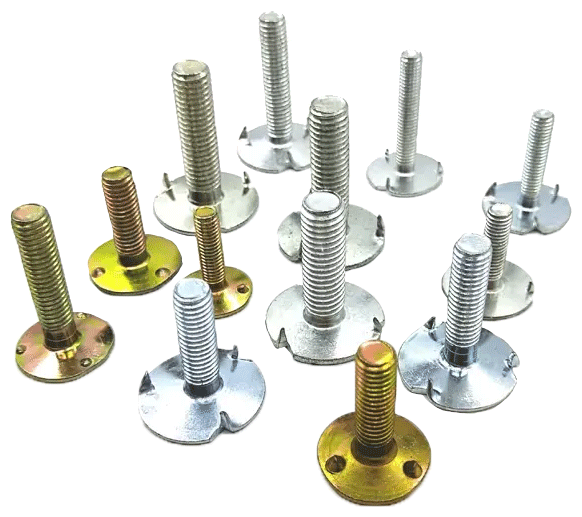
DIN 15237 is a German industrial standard developed for continuous mechanical handling equipment. It mainly focuses on seating screws, cupped washers, and attachment systems used in conveyor belts and bucket elevators. The standard ensures uniform dimensions, secure fastening, and operational safety in bulk material handling systems.
The standard is widely used in industries that rely on vertical conveying systems for transporting materials like:
- Cement
- Coal
- Grains
- Sand
- Chemicals
- Minerals
By implementing this standards, industries can achieve better component compatibility and safer equipment performance.
Why DIN 15237 is Important
Modern industries require standardized systems to minimize operational downtime and enhance overall productivity. DIN 15237 helps organizations achieve these goals through standardized engineering practices.
Key Benefits of DIN 15237
| Benefit | Impact on Industry |
|---|---|
| Improved Safety | Reduces fastening failures and equipment accidents |
| Better Compatibility | Ensures components fit across systems |
| Reduced Maintenance | Standardized parts simplify repairs |
| Higher Efficiency | Improves material handling performance |
| Longer Equipment Life | Minimizes wear and operational stress |
According to industrial maintenance studies, standardized conveyor systems can reduce maintenance downtime by nearly 25% and improve operational efficiency by approximately 15–20% in heavy industries.
Industries That Use DIN 15237
This standard is widely used across various industries where bulk material handling and transportation are essential.
Major Industries
1. Cement Industry
Bucket elevators transport clinker, limestone, and raw materials continuously.
2. Agriculture
Grain elevators and seed transport systems depend heavily on standardized conveyor components.
3. Mining
Mining operations use heavy-duty bucket elevators for ore and mineral handling.
4. Food Processing
Safe and hygienic conveying systems require standardized fastening solutions.
5. Chemical Manufacturing
DIN 15237 helps maintain operational stability in hazardous environments.
Core Components Covered Under DIN 15237
This standard primarily focuses on fastening systems and conveyor attachment components.
Main Elements Include
| Component | Function |
|---|---|
| Seating Screws | Secure buckets to conveyor belts |
| Cupped Washers | Distribute pressure evenly |
| Elevator Buckets | Carry bulk material vertically |
| Belt Attachments | Maintain stable bucket positioning |
| Fastening Systems | Prevent loosening during operation |
These components work together to ensure smooth vertical material transportation.
Technical Specifications in DIN 15237
This standard provides detailed technical guidelines for equipment manufacturers and engineers.
Standard Specifications
Dimensions
The standard defines exact dimensions for screws, washers, and mounting holes.
Material Quality
Components are usually manufactured using:
- Carbon steel
- Stainless steel
- Corrosion-resistant alloys
Load Capacity
The standard ensures components can handle high operational loads without failure.
Durability Standards
Industrial conveyor standards often focus on wear resistance and long service life in demanding industrial environments.
Practical Implementation of DIN 15237
Implementing standardized conveyor system requirements requires careful planning and technical understanding.
Step-by-Step Implementation Process
Step 1: Equipment Assessment
Analyze the existing conveyor or bucket elevator system.
Step 2: Component Selection
Choose DIN 15237-compliant screws, washers, and buckets.
Step 3: Installation
Ensure proper alignment and fastening torque during installation.
Step 4: Performance Testing
Conduct operational tests to verify system stability.
Step 5: Maintenance Planning
Develop preventive maintenance schedules for long-term performance.
Common Challenges During Implementation
Even though standardized conveyor system specifications improve reliability, industries may face several implementation challenges.
Typical Problems
| Challenge | Solution |
|---|---|
| Incorrect Component Sizing | Use certified DIN specifications |
| Poor Installation | Train maintenance teams properly |
| Corrosion Issues | Use stainless steel components |
| Excessive Vibrations | Improve belt alignment |
| Fastener Loosening | Conduct periodic inspections |
Proper planning significantly reduces operational risks.
DIN 15237 vs Other Conveyor Standards
Many companies compare DIN 15237 with ISO and EN standards before implementation.
| Standard | Main Focus |
|---|---|
| DIN 15237 | Conveyor fastening systems |
| ISO Standards | Global industrial standardization |
| EN 15237 | Vertical drainage and geotechnical works |
| ANSI Standards | American industrial practices |
European industrial machinery applications still widely rely on standardized conveyor and bulk handling system specifications.
Best Practices for DIN 15237 Compliance
To maximize performance, industries should follow these best practices.
Recommended Practices
- Use certified DIN-compliant components
- Conduct regular inspections
- Replace worn fasteners immediately
- Maintain correct belt tension
- Monitor vibration levels
- Keep maintenance records updated
Companies that follow preventive maintenance programs often experience lower operational costs and fewer production interruptions.
Future of DIN 15237 Standards
Industrial automation and smart manufacturing are influencing conveyor system technologies. Modern standards for bulk material handling continue evolving alongside Industry 4.0 requirements.
Emerging Trends
Smart Monitoring Systems
Sensors now monitor bucket alignment and fastening conditions in real time.
Corrosion-Resistant Materials
Advanced coatings improve durability in harsh environments.
Predictive Maintenance
AI-driven monitoring helps detect failures before breakdowns occur.
Energy-Efficient Conveyors
Modern conveyor systems focus on reduced energy consumption.
These innovations are making bulk material handling systems more efficient and reliable.
Conclusion
DIN 15237 plays a vital role in industrial material handling systems by ensuring safety, compatibility, and operational efficiency. From bucket elevators to conveyor fastening systems, the standard helps industries maintain reliable and durable equipment performance.
Organizations implementing this standard benefit from lower maintenance costs, enhanced productivity, and improved system durability. As automation and smart manufacturing continue to advance, such standardized practices will remain essential for efficient industrial operations.
For industries seeking to optimize bulk material handling systems, adopting these standardized solutions is a practical and future-focused approach.
Frequently Asked Questions (FAQs)
What is DIN 15237 used for?
This standard is used to standardize fastening systems and attachment components in bucket elevators and conveyor systems.
Which industries use DIN 15237?
Industries such as cement, mining, agriculture, chemicals, and food processing commonly use this standard.
Why is DIN 15237 important?
It improves equipment safety, compatibility, durability, and operational efficiency.
Does DIN 15237 improve maintenance efficiency?
Yes. Standardized components simplify maintenance and reduce downtime.
What materials are used in DIN 15237 components?
Most components are made from steel, stainless steel, or corrosion-resistant alloys.
Is DIN 15237 internationally recognized?
Although it is a German standard, many international industries adopt it because of its reliability and engineering precision.